Finding Value in Public Records
Like a lot of great small-business stories, PropertyRadar started with a real problem and a scrappy solution.
In 2002, our founder, real estate investor and technologist Sean O’Toole, realized that the answers he needed weren’t in expensive reports or insider networks—they were hiding in plain sight in public records.
At the time, the tools available to everyday investors and local professionals were clunky at best. Coming from a background in early-stage tech startups, Sean started building his own software to track properties, understand neighborhoods, and spot opportunities others were missing. Those early tools helped him navigate an overheated real estate market and, ultimately, step aside before the foreclosure crisis hit.
That experience led to a bigger realization: if public records could help one investor make better decisions, they could help thousands of professionals and small businesses do the same—if only the data were accessible, understandable, and actionable.
Shedding Light on the Foreclosure Crisis
In 2007, Sean launched ForeclosureRadar, the first platform to bring unprecedented transparency to foreclosure activity during one of the most challenging real estate markets in history.
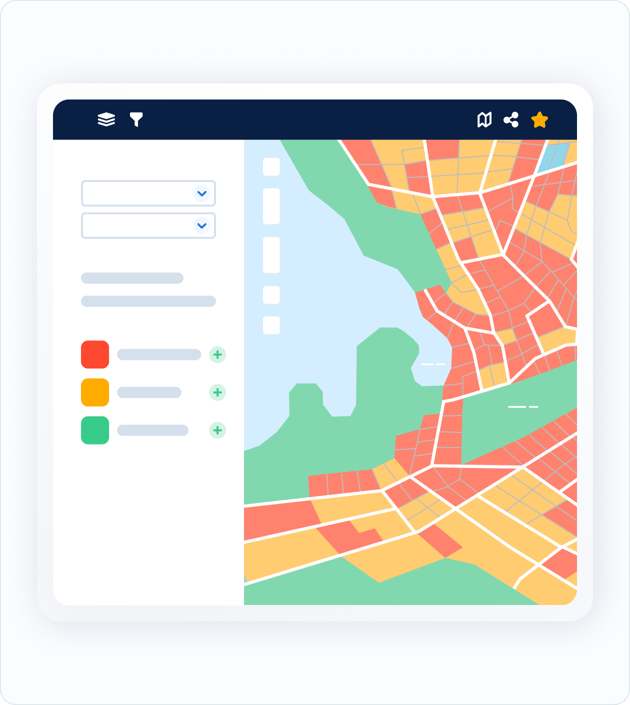
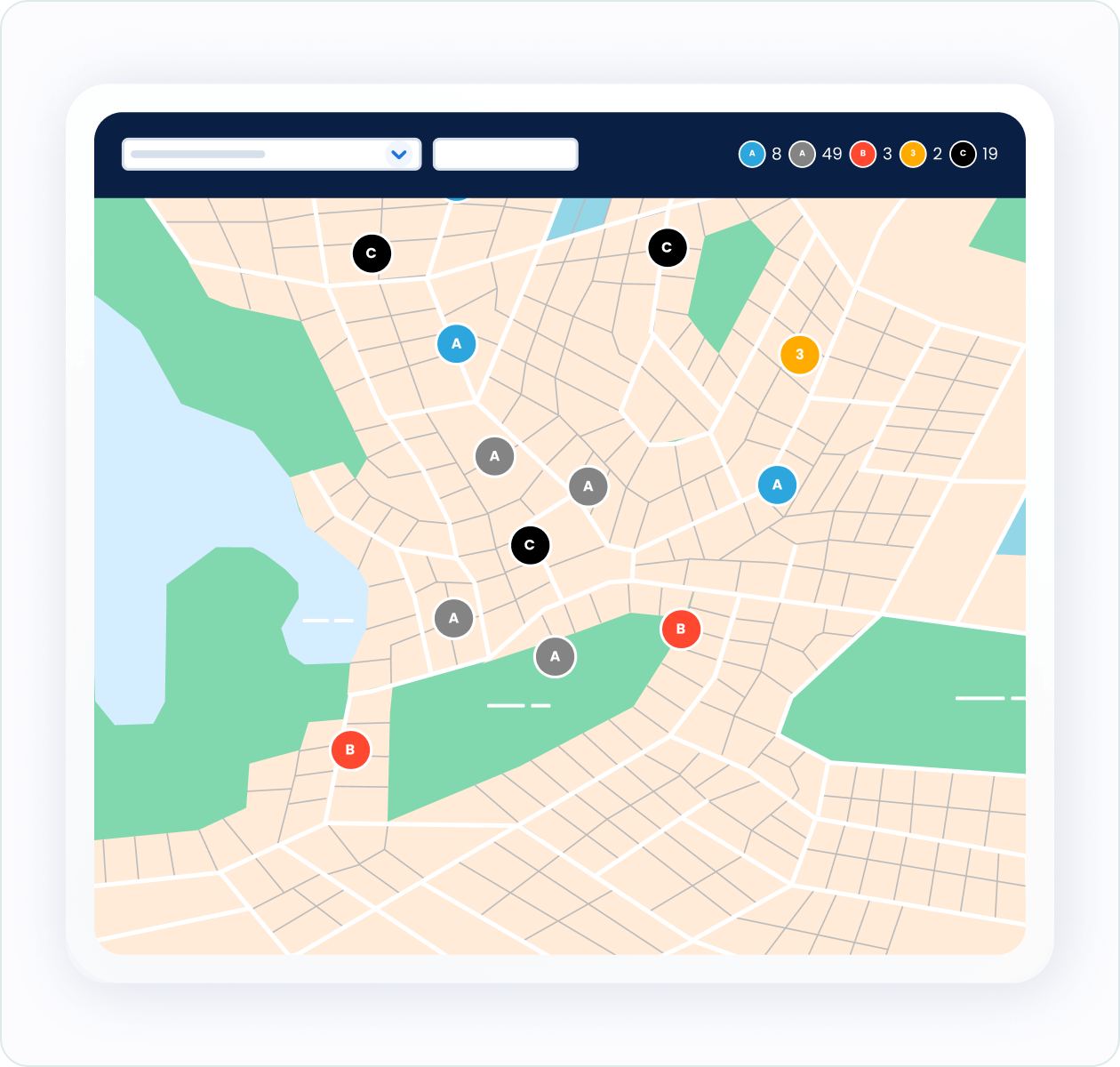
ForeclosureRadar took messy, hard-to-get public records and turned them into clear, searchable insights that local investors, agents, and small businesses could actually use. For many, it became a lifeline—making sense of chaos and surfacing real, data-backed opportunities when everything else felt uncertain.
From Foreclosures to Full Property Insight
As the market began to recover, our customers’ needs expanded. They no longer wanted to see just distressed properties; they wanted to understand every property and owner in their markets.
In 2013, we evolved from a foreclosure‑only tool into PropertyRadar, expanding beyond foreclosure data to comprehensive property and owner information across entire neighborhoods, cities, and states.
This shift transformed the platform from a crisis‑era solution into a long‑term strategic advantage for anyone whose business depends on property data: real estate professionals, lenders, investors, home‑service providers, contractors, and more.

Leveling the Playing Field for Small Businesses
As we listened to customers, one theme came up again and again: small, local businesses were being outgunned by big companies using the same public data behind the scenes.
Big-box brands and institutions have long used public records to figure out who you are, what you own, and when you might need their services. We set out to put that same power—often better—directly into the hands of the local businesses that keep communities running.
Today, PropertyRadar is a hyperlocal lead generation platform that helps small local businesses:
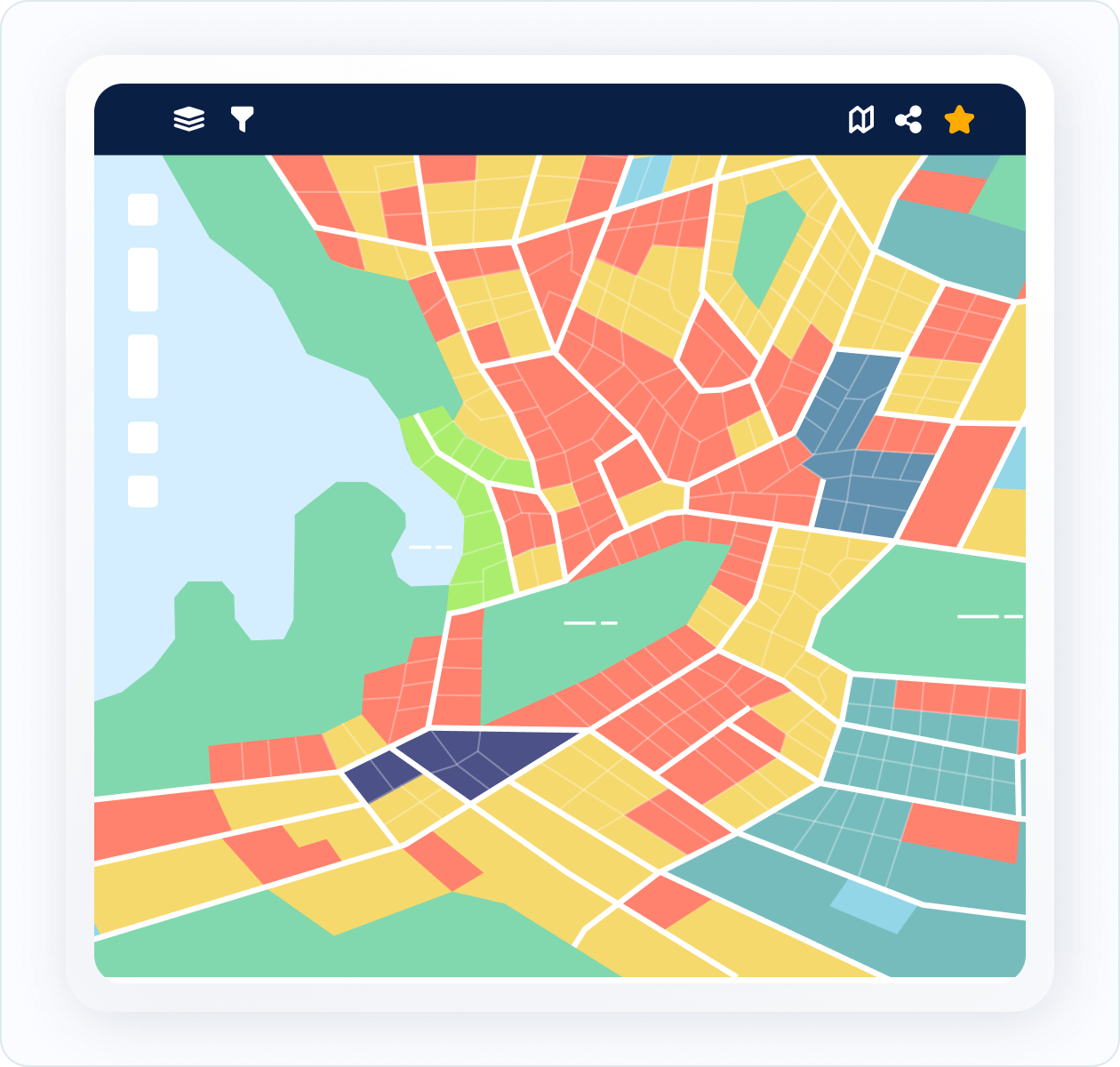
- Build highly targeted lists of ideal customers using hundreds of property, owner, and demographic criteria
- Understand neighborhoods, trends, and opportunities others overlook
- Connect with the right people at the right time through mail, phone, email, and digital channels
All with tools and pricing designed for small teams, not giant enterprises.
Innovation Timeline (2006–Today)
While the full history is rich, here’s a high‑level view of how PropertyRadar has evolved:

2002
Discovery & Early Tools
Sean begins using public records and custom-built tools to inform his own real estate investing, proving that better data leads to better decisions—and safer exits when markets turn.

2007
ForeclosureRadar Launches
ForeclosureRadar officially launches, offering one of the first truly user‑friendly foreclosure tracking platforms for investors, agents, and local professionals during the foreclosure crisis.
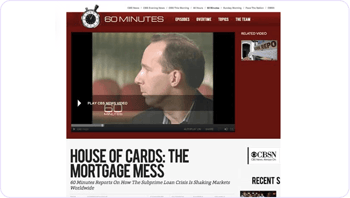
2008
The Go‑To Foreclosure Resource
The platform becomes a trusted source of truth for foreclosure information, helping thousands of professionals navigate a turbulent market and find opportunity in the data instead of the headlines.
2013
PropertyRadar is Born
Recognizing the need to look beyond distressed properties, the company broadens its vision and relaunches as PropertyRadar, expanding from foreclosure-only data to rich, full‑property and ownership insights.
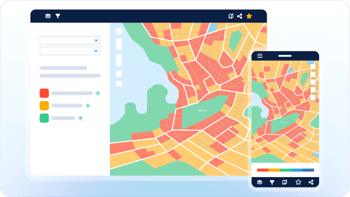
2014 - 2018
From Data to Hyperlocal Lead Generation
PropertyRadar continues to evolve from a “what’s happening” data tool into a “what should I do next?” platform—adding advanced search, list building, and workflows that help businesses turn insights into outreach and revenue.
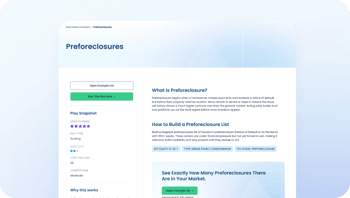
Today
Innovation for Everyone
PropertyRadar doubles down on making sophisticated data and marketing capabilities accessible to small teams: pre-built “Plays,” QuickLists, and guided experiences that remove guesswork and help local pros launch targeted campaigns without needing a data scientist or full-fledged marketing department.
Our Values
Our values shape how we build our product, work with customers, and show up for each other every day:

Curious
We never stop asking questions or exploring what’s possible with data, technology, and local markets.

Driven
We work hard, set ambitious goals, and stay focused on long‑term impact for small businesses.

Ownership
We take responsibility, make decisions with the company and customer in mind, and follow through.

Locally Focused
We believe strong local businesses create strong communities, and we build with that in mind.

Growing
We invest in learning, experimentation, and continuous improvement—personally and as a company.

Balanced
We strive for sustainable success, knowing that great work and a good life should reinforce each other.
Meet the Team
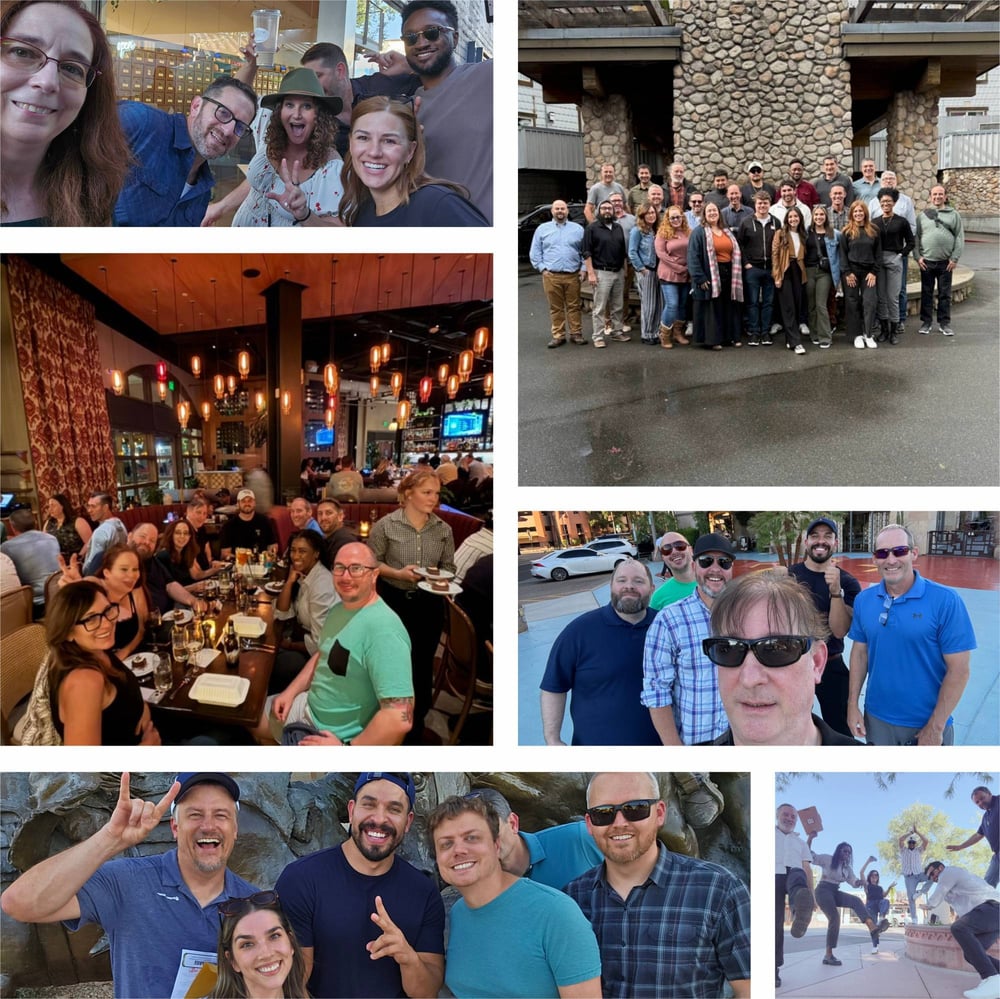
Behind PropertyRadar is a tight‑knit team of builders, data nerds, and local‑business advocates.
Our collective experience spans:
- Early‑stage technology startups and SaaS platforms
- Real estate investing, brokerage, lending, and title
- Data engineering, analytics, and product design
- Marketing and growth for small and mid‑sized businesses
From engineering to customer success, many team members have walked in our customers’ shoes—as independent agents, small investors, or operators inside local service businesses. That’s why we obsess over practical workflows, not just features: if it doesn’t help you do real work faster, we’re not done yet.